
Visual Essay
Yorgos Prinos is interested in how power operates through urban spaces and human forms. For this visual essay, Prinos selected a constellation of diverse images: “My interest lies in what viewers contribute to them,” he explained in a conversation preceding the commission. Chiaromonte editor Achille Filipponi has paired the photographs with historical texts that don’t merely echo the visual content, but create tensions between disparate visual materials and literary perspectives.
Yorgos Prinos (Athens, 1977), lives and works in Athens. He received his MFA in Photography from Yale University in 2011. His work in photography explores issues of power at the intersection of psychology and politics, broadening the scope of his own images with found imagery and works of his contemporaries. Recent solo exhibitions include Prologue to a Prayer, Hot Wheels London (2024); Optics Is Ethics, Hot Wheels Athens (2022), and the gallery’s first presentation at Frieze London in 2021. Notable exhibitions include: The Word for Museum is Forest / Das Wort für Museum ist Wald, curated by Eleni Michaelidi, Museum of Contemporary Art Leipzig, Leipzig (2023); Modern Love (or Love in the Age of Cold Intimacies), curated by Katerina Gregos, EMST, Athens (2022); and the 7th Athens Biennale: ECLIPSE, co-curated by Omsk Social Club, Larry Ossei- Mensah, and Poka-Yio, Athens (2021). Prinos was part of the collective Depression Era (2013 – 2019): a group of artists who documented the urban and social landscape of the crisis in Greece. Major acquisitions of his work were made by the EMST (National Museum of Contemporary Art, Athens) and the Onassis Foundation in 2022.
All images courtesy the artist.
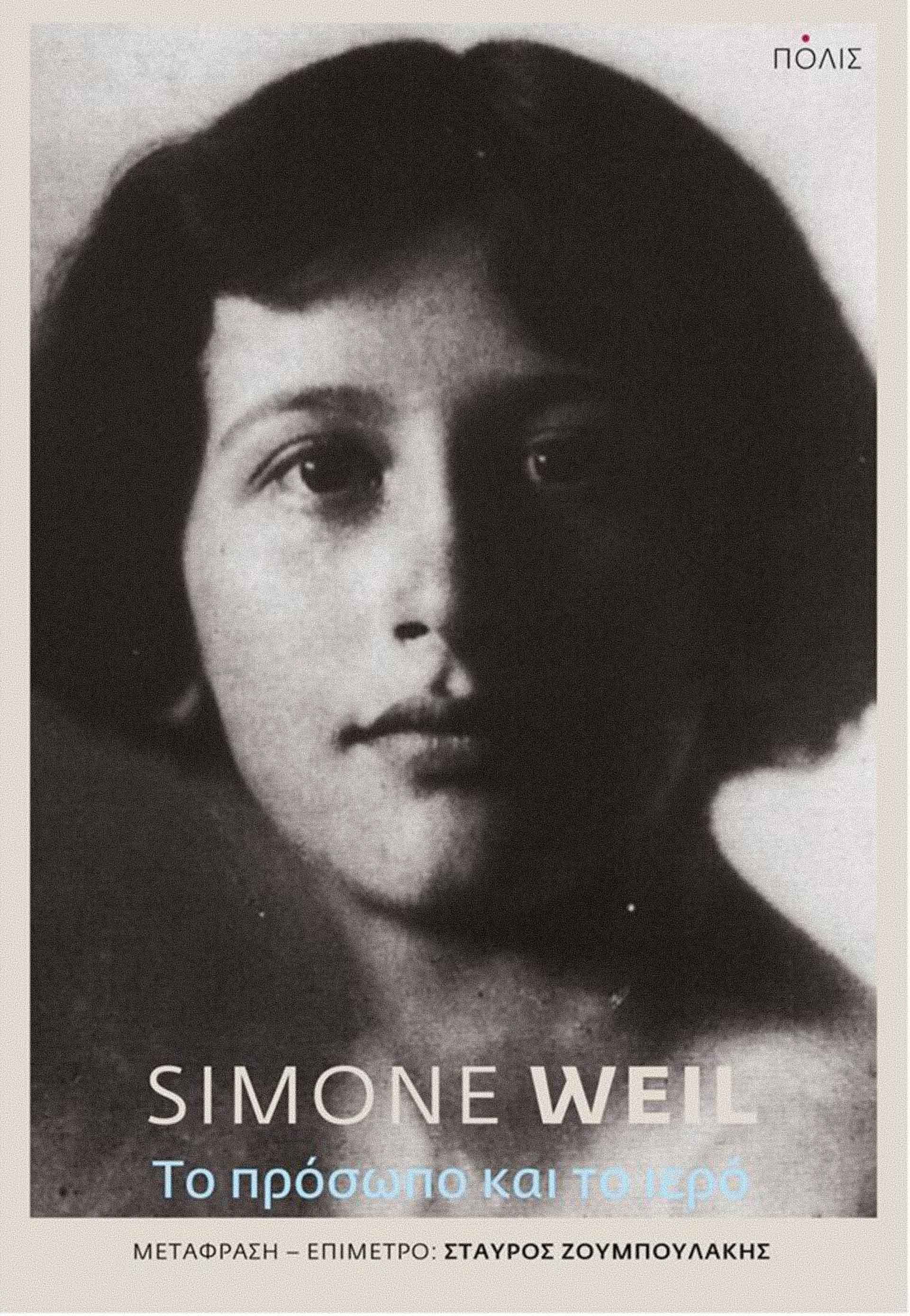
It is neither his person, nor the human personality in him, which is sacred to me. It is he. The whole of him. The arms, the eyes, the thoughts, everything. If it were the human personality in him that was sacred to me, I could easily put out his eyes. As a blind man, he would be exactly as much as human personality as before.
Simone Weil, An Anthology, 2005, (London: Penguin Books), pp. 70-71.
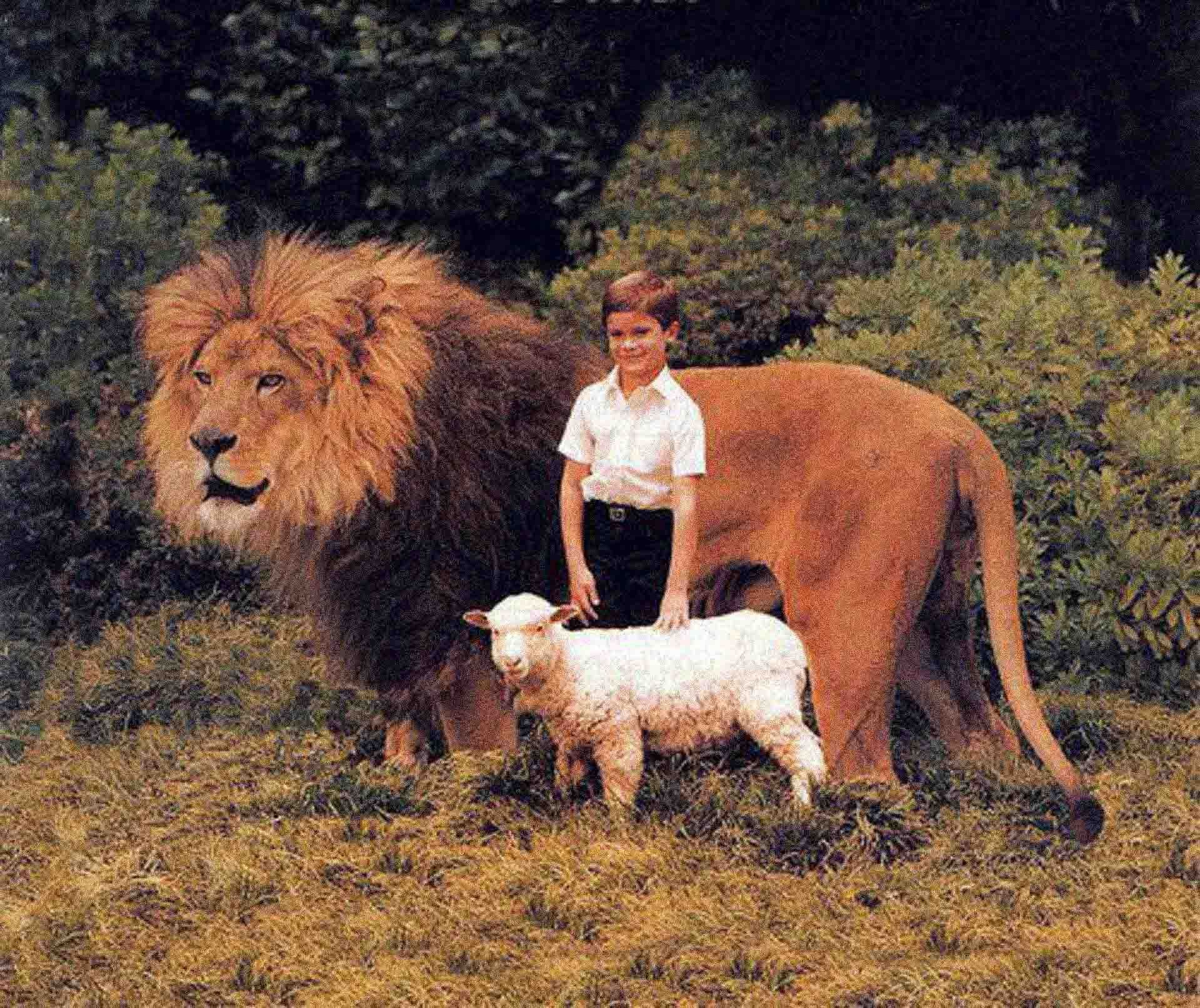
On the most extreme path,
with the strictest gaze,
through the simplest word,
in the most fitting structure,
to the most intrinsic play,
for the inceptual (event).
Martin Heidegger, Ponderings II-VII. Black Notebooks 1931-1938, 2016, Indiana University Press, Bloomington (Indiana), p. 197.

Like water flung down
From cliff to cliff.
Friedrich Hölderlin, Hyperion or The Hermit in Greece, 1984, Frederick Ungar Publishing Co., New York, p. 154.
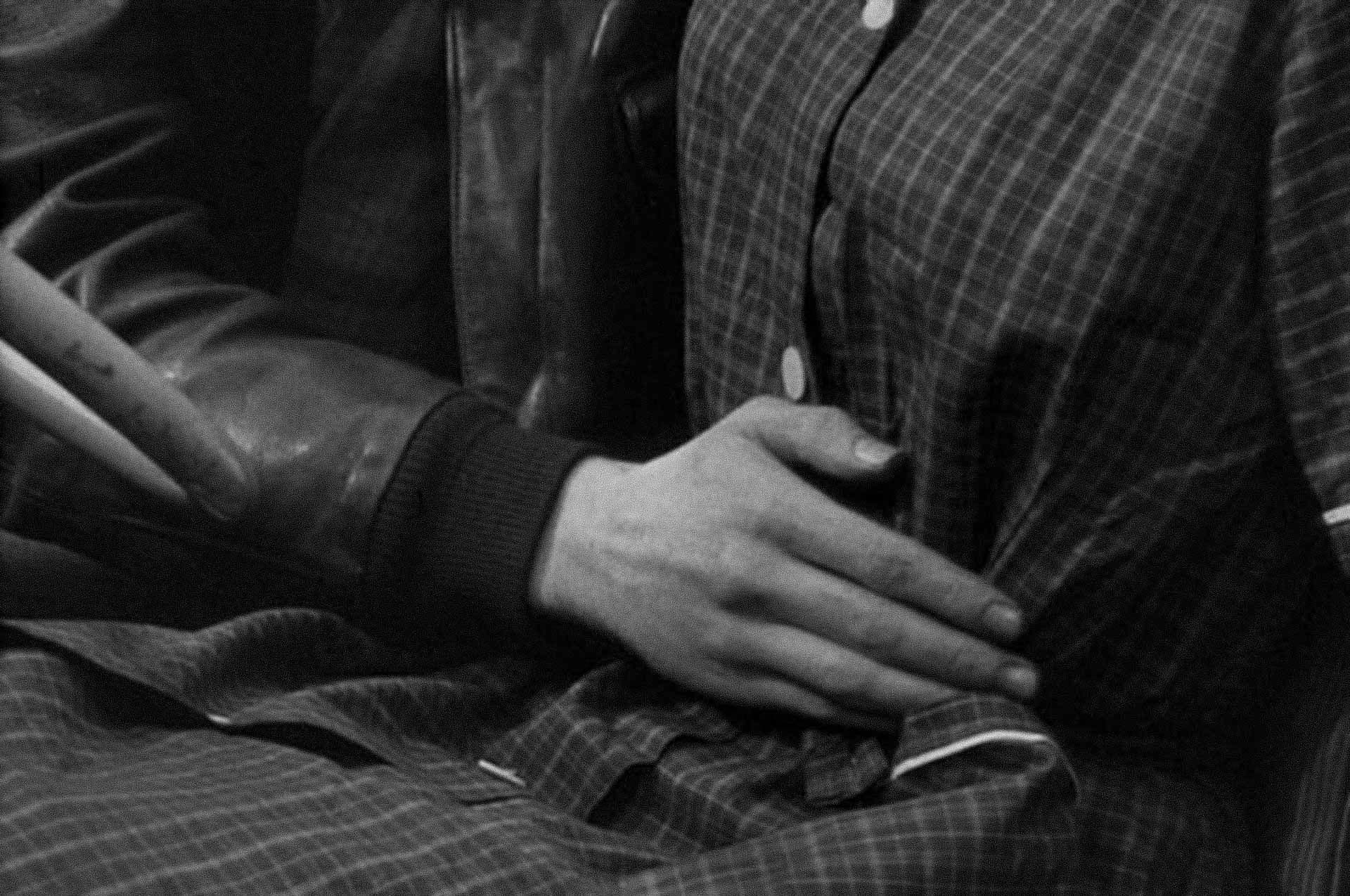
This Morning I heard persistent and angry blows on a carpet
beaten in the yard of the polyclinic–
and I had to think of all the hearts
persistently angrily beating
shabby curtains of hope, hope for a kinder future
that wouldn’t lie even if it were true.
And I had to think of all those people, people lost
and begging,
and of those who can’t beg, tired as a hand after the war,
I had to think of creatures stuck in the doors of those
who talk while eating and to whom they offered statuettes
of gargoyles,
threads from virgins’ blouses, or ice cream made of
April snow,
[...]
Vladimír Holan, “In the Yard of the Polyclinic” in Mirroring: Selected Poems of Vladimír Holan, 1985, Wesleyan University Press, Middletown (Connecticut), p. 37.
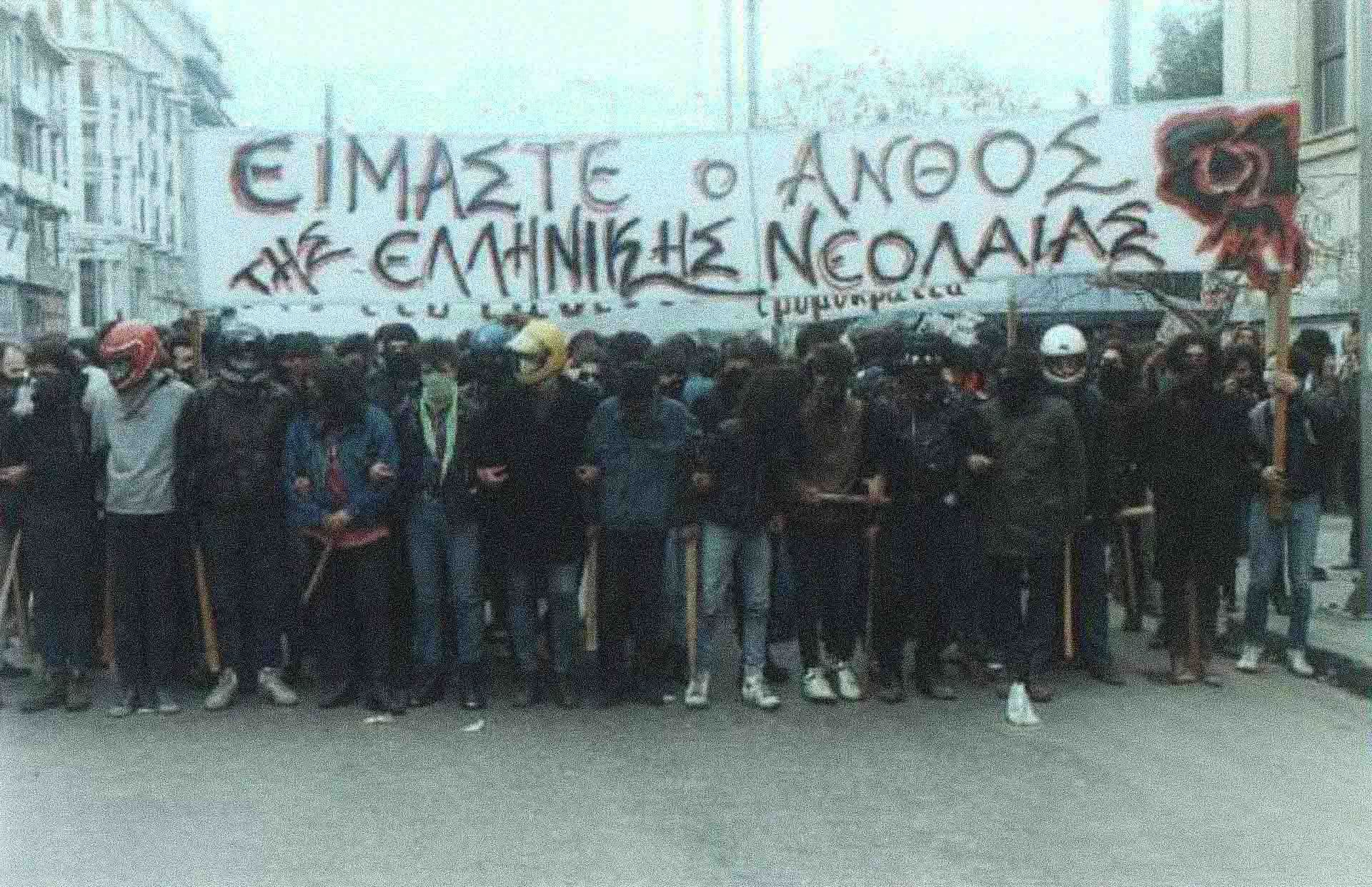
When you are calm and joyful and finally, entirely alone Then, in a great new darkness,
You will finally execute your special plan.
Thomas Ligotti, My Work Is Not Yet Done: Three Tales of Corporate Horror, 2009, Virgin Books, Londra.
Visual Essay
finanziato dall'Unione Europea - Next Generation EU